
Chemical Peel in Ramsey, NJ
Medical-grade exfoliation that reveals smoother, clearer, more even-toned skin from within.
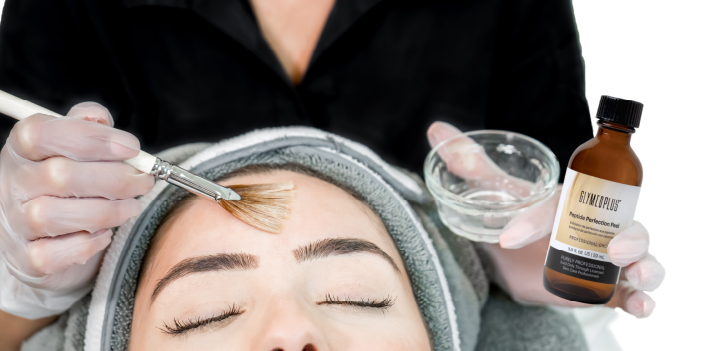
What is a chemical peel?
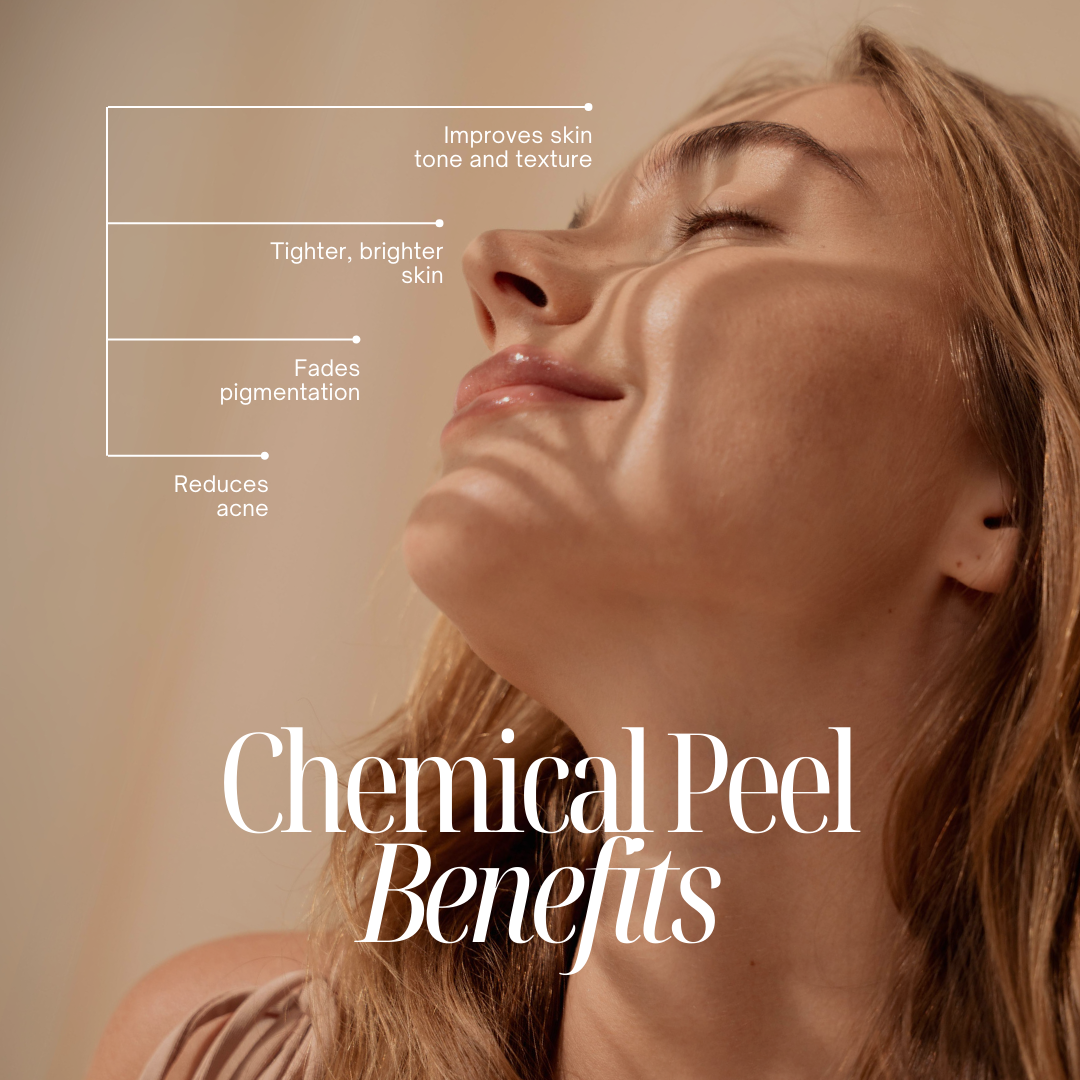
A chemical peel is a professional skin resurfacing treatment that uses carefully formulated acid solutions to remove damaged outer layers of skin, revealing the healthier, more youthful skin beneath. At The Skin Tune, I use medical-grade peel formulations that are far more effective than anything available over the counter, delivering visible improvements in skin texture, tone, clarity, and overall radiance.
Chemical peels work by accelerating the skin's natural exfoliation process. The acid solution is applied to the skin in a controlled manner, breaking down the bonds that hold dead and damaged skin cells to the surface. As these cells shed over the following days, they reveal a fresh layer of skin that is smoother, more evenly pigmented, and visibly healthier. The process also stimulates collagen production deep within the dermis, leading to long-term improvements in skin firmness and resilience.
Whether you are struggling with stubborn acne, post-inflammatory hyperpigmentation, sun damage, fine lines, or simply dull and lackluster skin, a chemical peel can be tailored to address your specific concerns. I offer a range of peel types and strengths, from gentle enzyme peels suitable for sensitive skin to more intensive formulations for significant skin correction.
How it works
Step 1: Skin Analysis and Preparation
Your treatment begins with a thorough skin analysis. I evaluate your skin type, current condition, sensitivity level, and treatment history to select the ideal peel formulation and strength. Your skin is then cleansed and degreased to ensure the peel solution can penetrate evenly and effectively.
Step 2: Peel Application
The selected chemical peel solution is applied in carefully controlled layers. Depending on the peel type, this may involve a single application or multiple passes to achieve the desired depth of penetration. I monitor your skin's response throughout the process to ensure safety and optimal results.
Step 3: Timed Processing
The peel remains on the skin for a precisely timed period. During this phase, the active acids work to dissolve the bonds between dead skin cells and stimulate cellular renewal. You may feel a mild tingling or warming sensation, which is normal and indicates the peel is working effectively.
Step 4: Neutralization and Soothing
Once the optimal processing time has been reached, the peel is neutralized (if required by the formulation) and removed. A calming, hydrating serum and protective moisturizer are applied to soothe the skin and support the healing process. Sunscreen is applied as the final step to protect your freshly treated skin.
Who is a chemical peel right for?
Chemical peels are a versatile treatment that can address a wide range of skin concerns. A peel may be right for you if you are experiencing:
- Active acne and recurring breakouts
- Post-acne dark marks and hyperpigmentation
- Sun damage and age spots
- Fine lines and early wrinkles
- Rough, uneven skin texture
- Melasma and hormonal pigmentation
- Dull, tired-looking complexion
- Enlarged pores and congestion
What to expect
Before Your Treatment
Discontinue use of retinoids, prescription exfoliants, and at-home peel products five to seven days before your appointment. Avoid waxing, threading, or laser treatments on the face for at least one week prior. Tell me about any medications you take, as some can affect how your skin responds to the peel. Arrive with clean skin and no makeup if possible.
During Your Treatment
The treatment takes approximately 45 minutes from start to finish. You will feel a tingling or warming sensation when the peel solution is applied, which is completely normal. The intensity depends on the peel type selected. I will check in with you throughout and can adjust the treatment if needed. The experience is well-tolerated by the vast majority of clients.
After Your Treatment
Your skin may appear slightly pink or flushed immediately after the treatment. Over the following three to seven days, depending on the peel strength, you will experience mild to moderate flaking and peeling as the old skin cells shed. This is a normal and expected part of the renewal process. Keep your skin hydrated with gentle, fragrance-free moisturizer, avoid direct sun exposure, apply SPF 30 or higher daily, and do not pick or pull at peeling skin. The fresh skin revealed beneath will be noticeably smoother, brighter, and more even.
Before & After Results
See the real results our clients have achieved with professional chemical peel treatments:
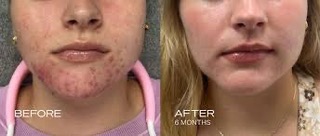
Before/After — Acne, 6 months of treatment
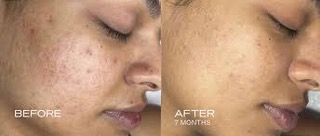
Before/After — Pigmentation, 7 months
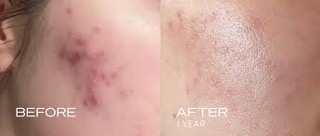
Before/After — Body acne, 1 year
Frequently asked questions
Most clients experience a mild tingling or warming sensation during the peel, which is completely normal and indicates the active ingredients are working. Lighter peels feel like a gentle tingle, while medium-depth peels may produce a more noticeable warming sensation that subsides quickly. I monitor your comfort throughout the entire treatment and can neutralize the peel if needed.
Downtime varies by peel type and strength. Light peels typically have minimal downtime with slight flaking for one to three days. Medium-depth peels may involve visible peeling for three to seven days. During the peeling phase, your skin may appear dry and flaky, which is a normal and necessary part of the renewal process. You can typically return to work the same day, though you may prefer to schedule your peel before a weekend for medium-strength treatments.
Light chemical peels can be performed every two to four weeks as part of a maintenance program. Medium-depth peels are typically spaced four to eight weeks apart to allow full skin recovery between sessions. I will create a treatment schedule based on your skin type, concerns, and the specific peel formulation being used. A series of four to six peels is often recommended for optimal correction of specific concerns like hyperpigmentation or acne scarring.
Salicylic acid peels are often the best choice for acne-prone skin because salicylic acid is oil-soluble, meaning it can penetrate deep into clogged pores to dissolve debris, reduce inflammation, and kill acne-causing bacteria. Mandelic acid peels are another excellent option for acne, as they are antibacterial and less irritating than glycolic acid. I will assess your specific acne type, skin sensitivity, and treatment history to recommend the ideal peel formulation for your needs.
Yes, chemical peels can be safely and effectively performed on darker skin tones when the appropriate peel type and strength are selected. Mandelic acid and lactic acid peels are particularly well-suited for melanin-rich skin because they carry a lower risk of post-inflammatory hyperpigmentation. I have experience treating diverse skin tones and will carefully choose the safest, most effective peel for your complexion, starting conservatively and building intensity over time.
Before your peel, avoid retinoids, exfoliating acids, waxing, and excessive sun exposure for five to seven days. After the peel, avoid direct sun exposure and apply SPF 30 or higher daily. Do not pick, pull, or scrub peeling skin. Skip active ingredients like retinol, vitamin C, and AHA/BHA products for at least one week. Use a gentle, fragrance-free cleanser and rich moisturizer. I provide comprehensive pre- and post-care instructions with every treatment.
Related treatments
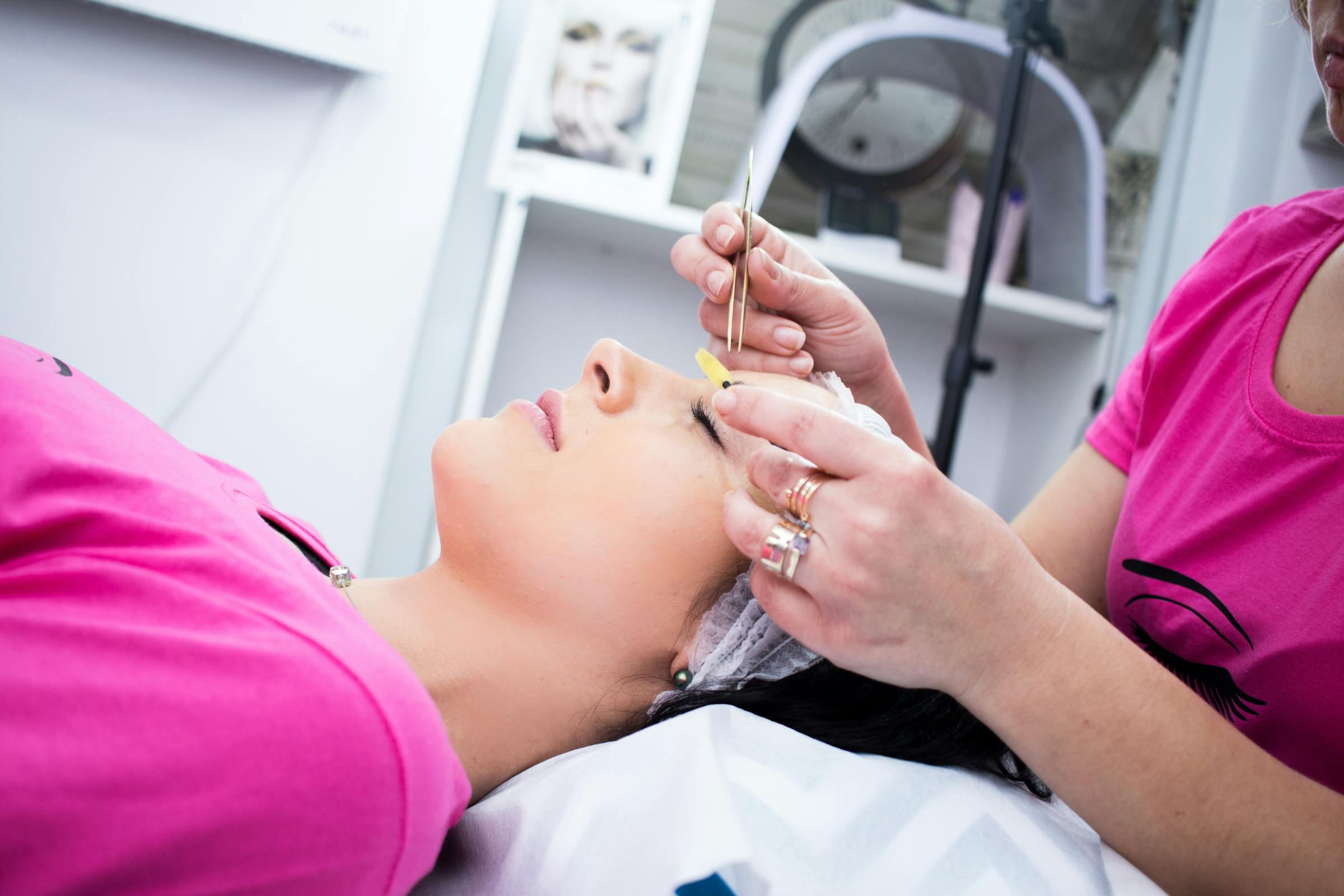
HydraFacial
Deep cleansing, exfoliation, and hydration with zero downtime. A gentler alternative for those not ready for a peel.
Learn More →
Microdermabrasion
Mechanical exfoliation that complements chemical peels for a comprehensive skin resurfacing approach.
Learn More →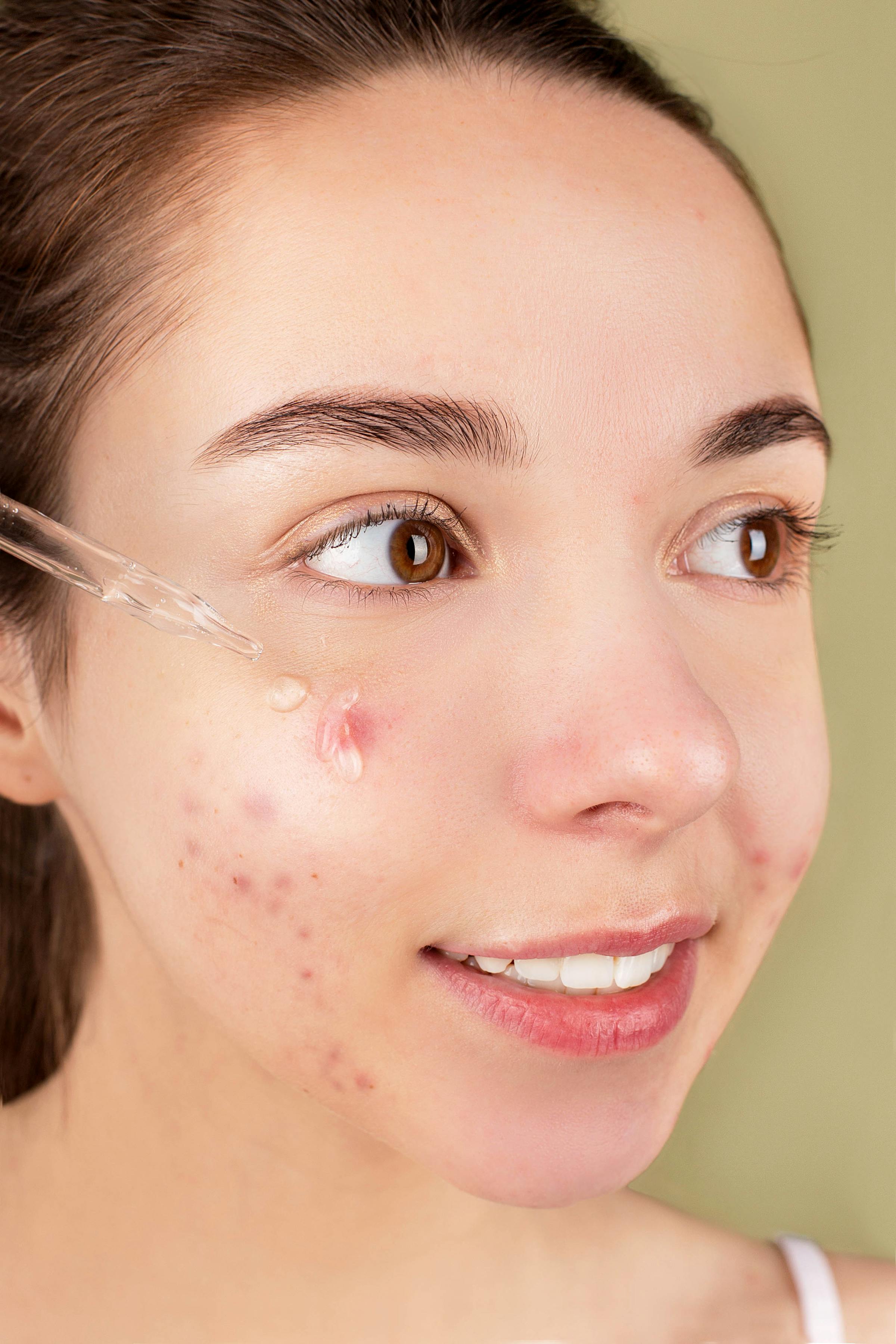
Dermaplaning
Manual exfoliation that pairs perfectly with a light peel for enhanced product penetration and smoother results.
Learn More →